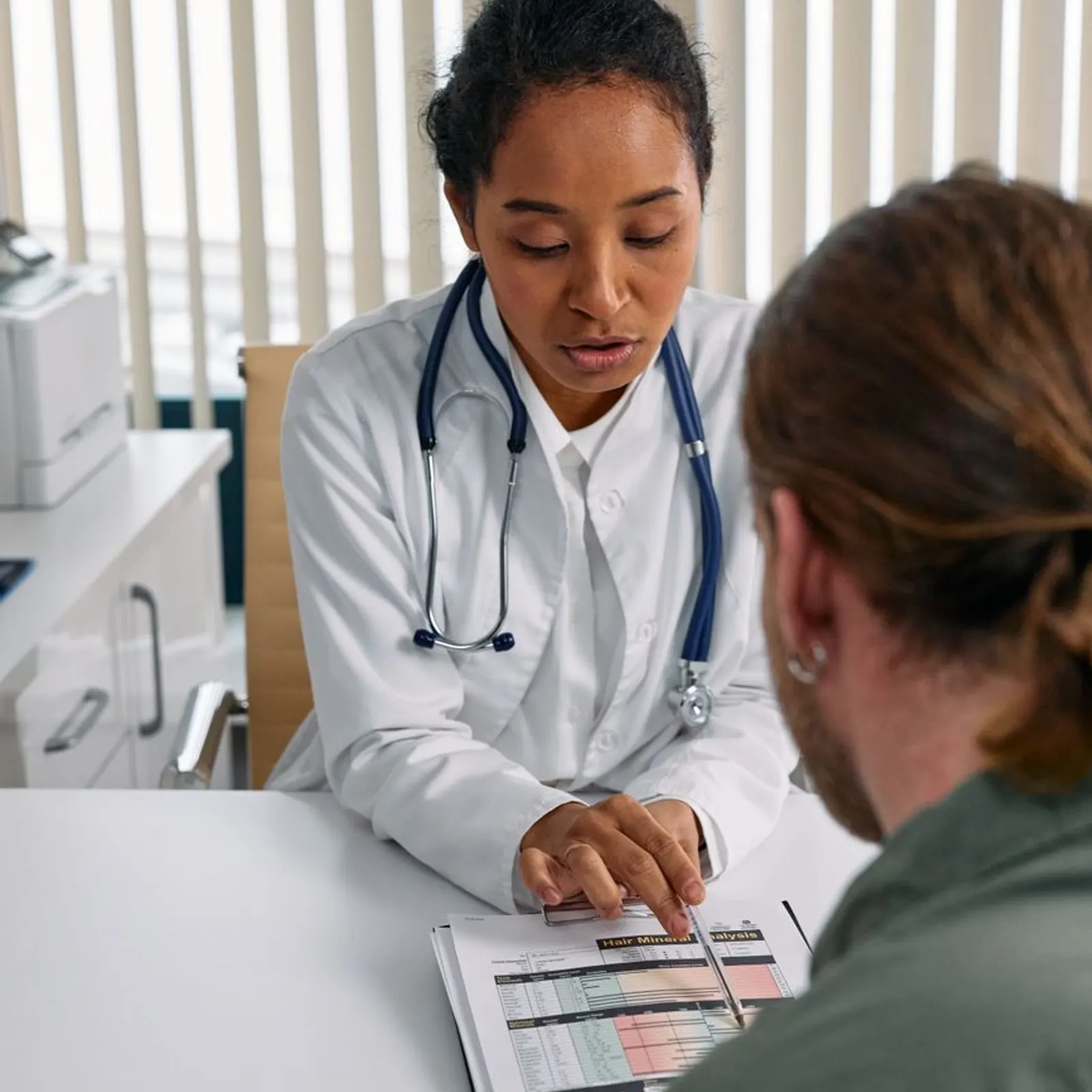
Choosing a gynecologist, what matters.
Questions worth asking and what to look for when choosing who will look after your health.

- Qualifications
- MBBS, DGO, DNB
- Dr. Vindhya G @ SO Poly Clinic
- 8:00 – 11:00 am · 5:00 – 9:00 pm
- Dr. Vindhya G @ Ankura Hospital
- 11:30 am – 4:00 pm
- Appointments
- +91 81066 88026
General gynecological problems encompass a wide range of medical conditions and issues that affect the female reproductive system. These conditions can vary in their cause, symptoms, prevalence, diagnosis, treatment, and prognosis.
Here is an overview of some common general gynecological problems:
Menstrual Disorders
- Prevalence: Menstrual disorders are common and can affect women of all ages.
- Cause: Hormonal imbalances, uterine fibroids, polycystic ovary syndrome (PCOS), and other factors can contribute to menstrual disorders.
- Symptoms: Irregular periods, heavy bleeding (menorrhagia), painful periods (dysmenorrhea), absent periods (amenorrhea), and other menstrual irregularities.
- Diagnosis: Diagnosis may involve a medical history, physical examination, hormonal testing, ultrasound, and sometimes endometrial biopsy.
- Treatment: Treatment varies depending on the specific disorder but may include medications, hormonal therapy, lifestyle changes, or surgery.
- Prognosis: Prognosis depends on the underlying cause and the effectiveness of treatment.
White Discharge
White vaginal discharge is a common occurrence in women and can be completely normal, but it can also be indicative of various underlying conditions or factors. The consistency, amount, and odor of the discharge can vary depending on the cause. Here are some of the common conditions and factors associated with white vaginal discharge:
- Normal Vaginal Discharge: It's normal for women to have a mild to moderate amount of white or clear vaginal discharge throughout their menstrual cycle. This discharge helps to keep the vagina clean and maintain its pH balance.
- Yeast Infections: White, thick, and cottage cheese-like discharge is a typical symptom of a yeast infection (vaginal candidiasis). Other symptoms may include itching, burning, and redness in the genital area.
- Bacterial Vaginosis (BV): BV is characterized by a thin, grayish-white, and fishy-smelling discharge. It results from an imbalance in the natural bacterial flora of the vagina.
- Sexually Transmitted Infections (STIs): Certain STIs, such as chlamydia and gonorrhea, can cause white or yellowish discharge. Other symptoms may include pain during urination and pelvic pain.
- Trichomoniasis: This is a parasitic infection that can cause frothy, greenish-yellow, or white discharge, along with itching and a strong odor.
- Pelvic Inflammatory Disease (PID): PID is an infection of the reproductive organs and can cause white or yellow discharge, as well as pelvic pain, fever, and discomfort.
- Stress and Anxiety: Emotional stress can sometimes affect vaginal discharge. Stress can disrupt hormonal balance and potentially alter discharge.
- Birth Control: Hormonal birth control methods, such as birth control pills or intrauterine devices (IUDs), can influence vaginal discharge in some women.
- Allergies or Irritation: Contact with allergens or irritants like perfumed soaps, douches, or latex condoms can lead to changes in discharge.
It's important to remember that white discharge alone may not always indicate a problem. However, if you experience unusual changes in your vaginal discharge, especially if accompanied by other symptoms like itching, pain, or a foul odor, it's advisable to consult Dr. Vindhya. She can perform tests and examinations to diagnose the underlying cause and recommend appropriate treatment if necessary. Early diagnosis and treatment are essential for addressing any potential infections or health concerns.
Pelvic Inflammatory Disease (PID)
- Prevalence: PID is relatively common, especially among sexually active women.
- Cause: PID is often caused by sexually transmitted infections (STIs) such as chlamydia and gonorrhea.
- Symptoms: Pelvic pain, fever, abnormal vaginal discharge, painful intercourse, and other symptoms.
- Diagnosis: Diagnosis includes a physical examination, blood tests, imaging (ultrasound or MRI), and sometimes laparoscopy.
- Treatment: Treatment involves antibiotics to clear the infection and may require hospitalization in severe cases.
- Prognosis: Early diagnosis and treatment are important to prevent complications like infertility or chronic pelvic pain.
Cervical Abnormalities
- Prevalence: Common, especially among sexually active women.
- Cause: Human papillomavirus (HPV) infection is a major cause of cervical abnormalities, including precancerous changes.
- Symptoms: Often asymptomatic, but abnormal Pap smear results may indicate the presence of cervical abnormalities.
- Diagnosis: Diagnosis involves routine Pap smears and, if abnormalities are detected, colposcopy and biopsy.
- Treatment: Treatment may include watchful waiting, removal of abnormal tissue (LEEP or cone biopsy), or, in severe cases, hysterectomy.
- Prognosis: Prognosis is generally favorable when detected and treated early.
It's important for individuals to seek regular gynecological check-ups and screenings to detect and address any potential issues early. The prognosis for these conditions can vary widely, and early diagnosis and appropriate treatment often lead to better outcomes and improved quality of life.
Approach
Conservative first
Medical management is considered first wherever appropriate.
Approach
Minimally invasive
When surgery is needed: laparoscopy, hysteroscopy or vNOTES.
Approach
Personalised plan
Every patient receives an individualised treatment plan.
Dr. Vindhya Gemaraju
MBBS, DGO, DNB · Reg. No. 53731
When to seek advice
If you have symptoms or questions about choosing a gynecologist, a consultation is the right first step. Dr. Vindhya sees patients at Dr. Vindhya G @ SO Poly Clinic and Dr. Vindhya G @ Ankura Hospital, Hyderabad.
Medical disclaimer. This page is for general information and does not replace a consultation. Treatment decisions depend on an individual medical assessment — please speak with Dr. Vindhya or your own doctor about your situation.
Continue reading
Related articles

Article · 2 min read
Fibroid treatment, the options
Medication, monitoring and surgical options for fibroids, and how each is chosen.
Read more
Article · 2 min read
Polyp treatment, the options
Monitoring and hysteroscopic removal of uterine polyps explained.
Read more
Article · 5 min read
Endometriosis treatment, the options
Pain relief, hormonal therapy and surgery for endometriosis compared.
Read more
Appointments
Take the first step toward better health.
Appointments are booked by phone or WhatsApp — SO Poly Clinic, Shaikpet, and Ankura Hospital, Gachibowli.
Dr. Vindhya Gemaraju · MBBS, DGO, DNB