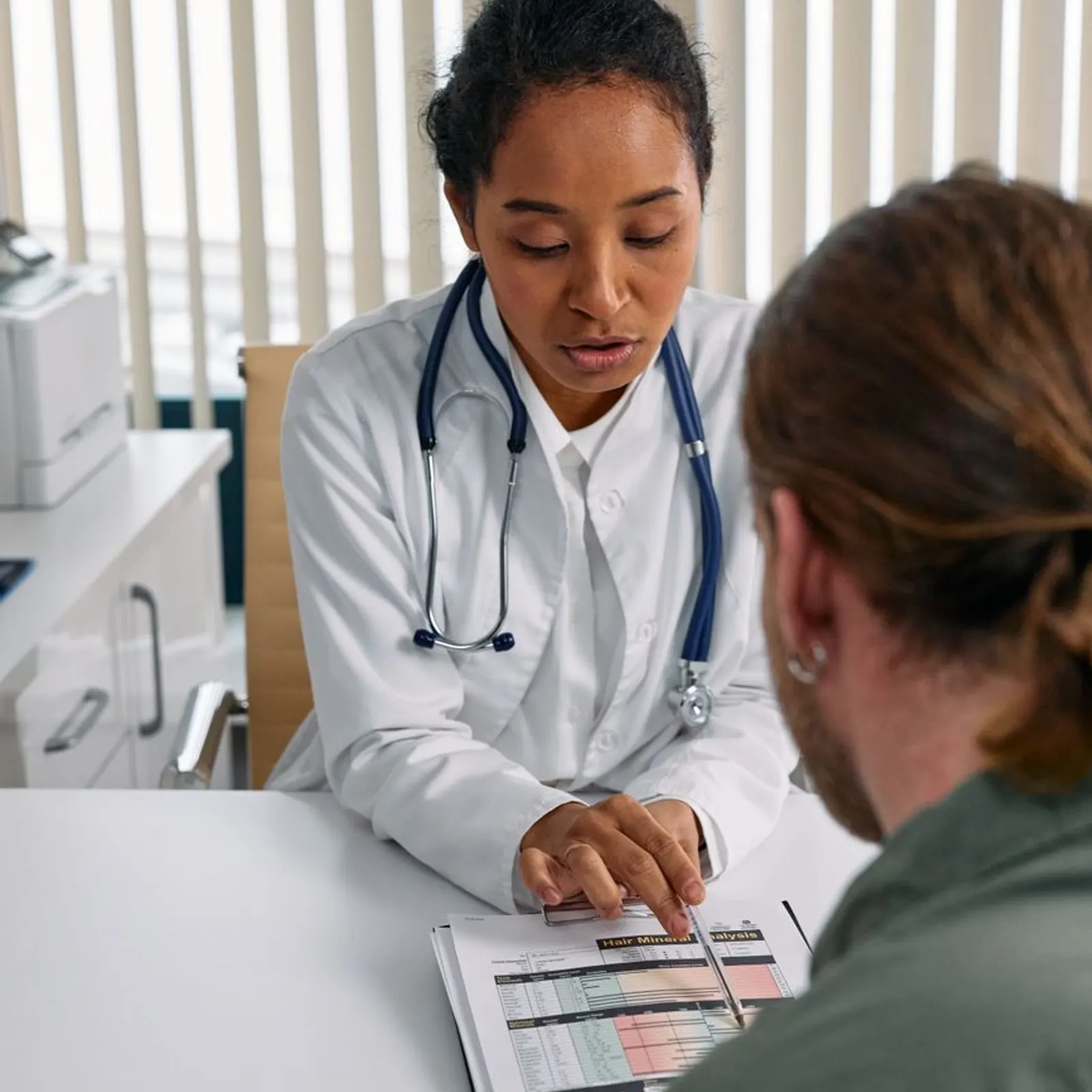
Fibroid treatment, the options.
Medication, monitoring and surgical options for fibroids, and how each is chosen.

- Qualifications
- MBBS, DGO, DNB
- Dr. Vindhya G @ SO Poly Clinic
- 8:00 – 11:00 am · 5:00 – 9:00 pm
- Dr. Vindhya G @ Ankura Hospital
- 11:30 am – 4:00 pm
- Appointments
- +91 81066 88026
Uterine fibroids, also known as uterine leiomyomas or simply myomas, are noncancerous growths or tumors that develop in or on the muscular wall of the uterus (the womb). These growths are composed of smooth muscle tissue and fibrous connective tissue. Uterine fibroids are quite common and can vary in size, number, and location within the uterus.
Key characteristics and information about uterine fibroids include:
Uterine fibroids are a common gynecological condition, particularly among women of reproductive age. It is estimated that up to 70% of women may develop fibroids at some point in their lives, although not all of these cases will cause symptoms or require treatment.
Cause
The exact cause of uterine fibroids is not entirely understood. However, hormonal factors, particularly estrogen and progesterone, play a significant role in their growth. Genetic factors and family history may also increase the risk of developing fibroids.
Symptoms
Many women with uterine fibroids do not experience any symptoms and may not be aware they have them. However, when symptoms do occur, they may include:
- Heavy menstrual bleeding (menorrhagia).
- Prolonged menstrual periods.
- Menstrual periods with clots.
- Pelvic pain or pressure.
- Frequent urination or difficulty emptying the bladder.
- Backache or leg pains.
- Pain during sexual intercourse.
Diagnosis
The diagnosis of uterine fibroids is typically made through a combination of medical history, physical examination, and imaging tests, such as transvaginal ultrasound or MRI. Hysteroscopy and other procedures may also be used to visualize the inside of the uterus.
Types
There are several types of uterine fibroids based on their location within the uterus:
- Intramural Fibroids: These fibroids develop within the muscular wall of the uterus.
- Submucosal Fibroids: Submucosal fibroids develop just beneath the inner lining of the uterine cavity.
- Subserosal Fibroids: Subserosal fibroids grow on the outside of the uterus, often projecting into the abdominal cavity.
- Pedunculated Fibroids: These fibroids can be any type (subserosal, intramural, or submucosal) but are attached to the uterus by a stalk or peduncle.
Treatment
The choice of treatment for uterine fibroids depends on factors such as the size and location of the fibroids, the severity of symptoms, the patient's age, and her desire for future fertility. Treatment options include:
- Medications to manage symptoms.
- Minimally invasive procedures Myomectomy Laparoscopy.
- Hysterectomy (removal of the uterus), which is a definitive treatment but not suitable for women who want to preserve fertility.
Approach
Conservative first
Medical management is considered first wherever appropriate.
Approach
Minimally invasive
When surgery is needed: laparoscopy, hysteroscopy or vNOTES.
Approach
Personalised plan
Every patient receives an individualised treatment plan.
Dr. Vindhya Gemaraju
MBBS, DGO, DNB · Reg. No. 53731
When to seek advice
If you have symptoms or questions about fibroids treatment, a consultation is the right first step. Dr. Vindhya sees patients at Dr. Vindhya G @ SO Poly Clinic and Dr. Vindhya G @ Ankura Hospital, Hyderabad.
Medical disclaimer. This page is for general information and does not replace a consultation. Treatment decisions depend on an individual medical assessment — please speak with Dr. Vindhya or your own doctor about your situation.
Continue reading
Related articles

Article · 2 min read
Polyp treatment, the options
Monitoring and hysteroscopic removal of uterine polyps explained.
Read more
Article · 5 min read
Endometriosis treatment, the options
Pain relief, hormonal therapy and surgery for endometriosis compared.
Read more
Article · 2 min read
Ovarian cyst treatment, the options
Watchful waiting, medication and surgery for ovarian cysts, and how the choice is made.
Read more
Appointments
Take the first step toward better health.
Appointments are booked by phone or WhatsApp — SO Poly Clinic, Shaikpet, and Ankura Hospital, Gachibowli.
Dr. Vindhya Gemaraju · MBBS, DGO, DNB