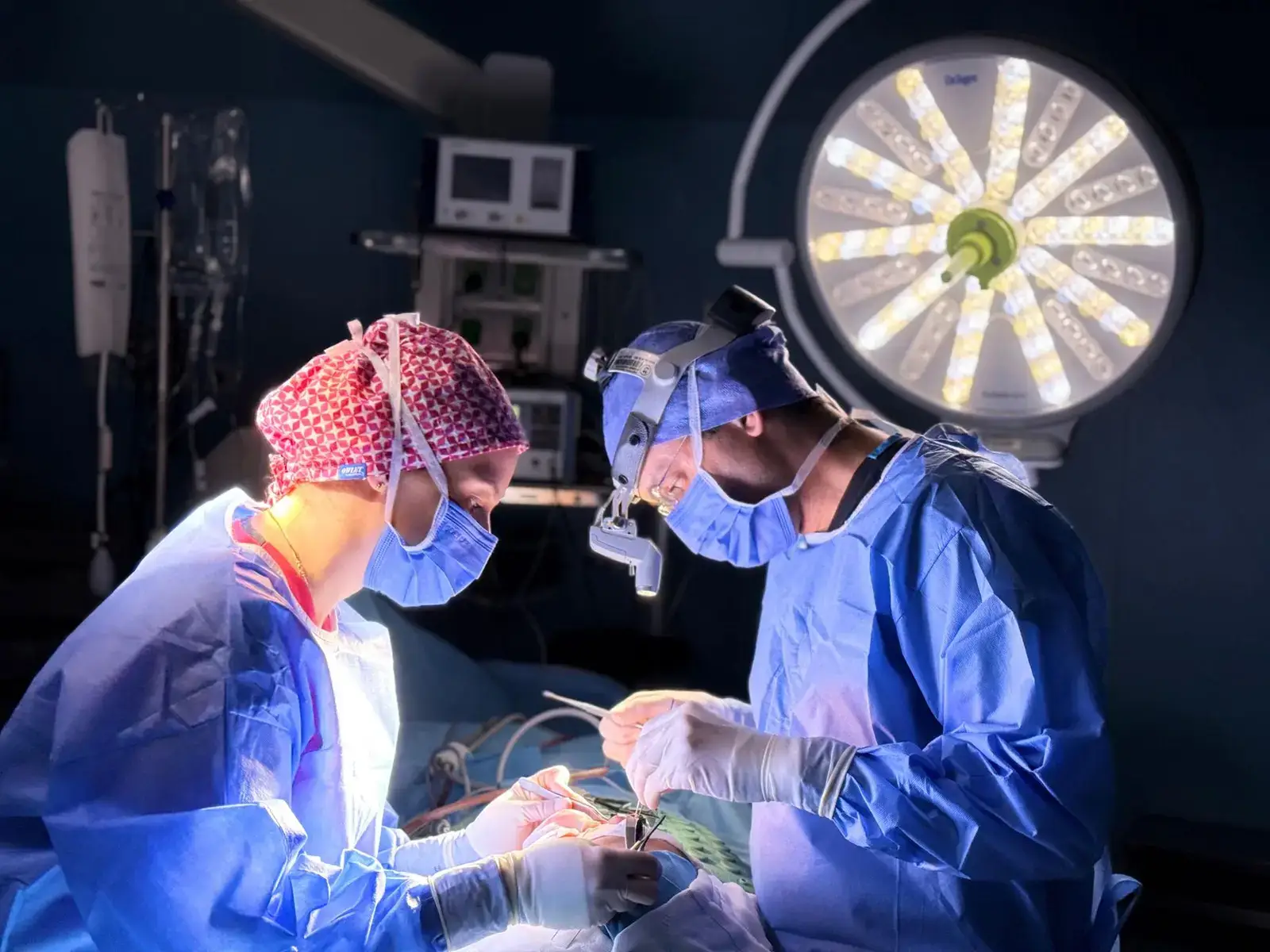
Laparoscopic hysterectomy, removal of the uterus.
Why a hysterectomy may be advised, the laparoscopic approach, and recovery after surgery.

- Qualifications
- MBBS, DGO, DNB
- Dr. Vindhya G @ SO Poly Clinic
- 8:00 – 11:00 am · 5:00 – 9:00 pm
- Dr. Vindhya G @ Ankura Hospital
- 11:30 am – 4:00 pm
- Appointments
- +91 81066 88026
Laparoscopic hysterectomy is a minimally invasive surgical procedure aimed at removing the uterus through small incisions in the abdomen. This approach uses specialized instruments and a laparoscope, a thin, lighted tube with a camera, for visualization during the surgery.
When it is Performed
Laparoscopic hysterectomy is performed when there is a need to remove the uterus. Common reasons include uterine fibroids, endometriosis, uterine prolapse, chronic pelvic pain, abnormal uterine bleeding, or certain gynecological cancers.
Purpose Of The Procedure
The primary purposes of laparoscopic hysterectomy are:
- Uterine Removal: To surgically remove the uterus, addressing the underlying condition or medical concern.
- Symptom Relief: Alleviating symptoms such as heavy menstrual bleeding, pelvic pain, or gynecological conditions causing discomfort.
- Minimally Invasive Approach: Offering a less invasive alternative to traditional open abdominal hysterectomy, leading to shorter recovery times and smaller scars.
What is expected to be performed
During laparoscopic hysterectomy:
- Small abdominal incisions are made, typically 3 to 4 in total.
- A laparoscope with a camera is inserted to visualize the surgical area.
- High quality Specialized instruments are employed to remove the uterus.
- Blood vessels and supporting tissues are carefully sealed or sutured to minimize bleeding.
- The uterus is removed through vagina without extending incision on abdomen.
- In addition to the above mentioned steps, the surgeon may also take any additional measures they deem necessary at that point of time
- Anesthesia: General anesthesia is typically administered to ensure the patient remains unconscious and pain-free throughout the procedure.
- Incisions: Several small incisions (usually less than 1 cm each) are made in the abdominal wall to allow access for the laparoscope and instruments.
Surgical Instruments And Equipment
- Instruments used in laparoscopic hysterectomy may include laparoscopes, trocars, graspers, scissors, and electrosurgical devices, enabling precise dissection and removal of the uterus.
- Duration Of Surgery: The length of the surgery can vary based on factors such as the size of the uterus and the complexity of the procedure. On average, laparoscopic hysterectomy takes approximately 1 to 2 hours.
- Intraoperative Monitoring: Monitoring equipment, including ECG and blood pressure monitors, is employed to ensure the patient's safety during the surgery.
Potential Complications
Potential complications may include:
- Bleeding during or after surgery.
- Infection at incision sites or within the pelvic cavity.
- Injury to adjacent structures(rare).
- Formation of scar tissue (adhesions).
- Bladder or bowel injury (infrequent).
Expected Outcomes
Expected outcomes of laparoscopic hysterectomy include:
- Resolution of underlying gynecological issues or symptoms.
- Smaller, less noticeable scars compared to open surgery.
- Reduced post-operative pain and quicker recovery.
- Alternatives to Surgery
- Alternatives may include medical management of symptoms or conservative treatments for specific gynecological conditions. The decision depends on the patient's condition and goals.
- Laparoscopic hysterectomy typically results in small, discreet scars at the incision sites, which may fade over time.
Post-Operative Care
Post-operative care includes:
- Activity restrictions, particularly avoiding heavy lifting and strenuous exercise.
- Follow-up appointments for monitoring and assessment.
- Dietary considerations as advised.
- Instructions for incision care.
- Most patients can go home on the same day or the day after the surgery, as laparoscopic hysterectomy is often performed as an outpatient procedure.
Recovery Time:
The recovery timeline can vary:
- Immediate recovery: Patients may experience discomfort and fatigue.
- Return to light activities: Typically within 1 week.
- Full recovery: Over several weeks to a month.
Patients should follow their healthcare provider's guidance for a successful recovery, including activity restrictions and attending follow-up appointments. The exact recovery time depends on individual factors and the specific procedure performed.
Approach
Conservative first
Medical management is considered first wherever appropriate.
Approach
Minimally invasive
When surgery is needed: laparoscopy, hysteroscopy or vNOTES.
Approach
Personalised plan
Every patient receives an individualised treatment plan.
Dr. Vindhya Gemaraju
MBBS, DGO, DNB · Reg. No. 53731
When to seek advice
If you have symptoms or questions about laparoscopic hysterectomy, a consultation is the right first step. Dr. Vindhya sees patients at Dr. Vindhya G @ SO Poly Clinic and Dr. Vindhya G @ Ankura Hospital, Hyderabad.
Medical disclaimer. This page is for general information and does not replace a consultation. Treatment decisions depend on an individual medical assessment — please speak with Dr. Vindhya or your own doctor about your situation.
Continue reading
Related conditions & treatments

Laparoscopic surgery
Laparoscopic myomectomy, removing fibroids
Keyhole removal of fibroids while preserving the uterus, and who may benefit.
Read more
Laparoscopic surgery
Ovarian cystectomy, removing a cyst
Laparoscopic removal of an ovarian cyst while preserving the ovary wherever possible.
Read more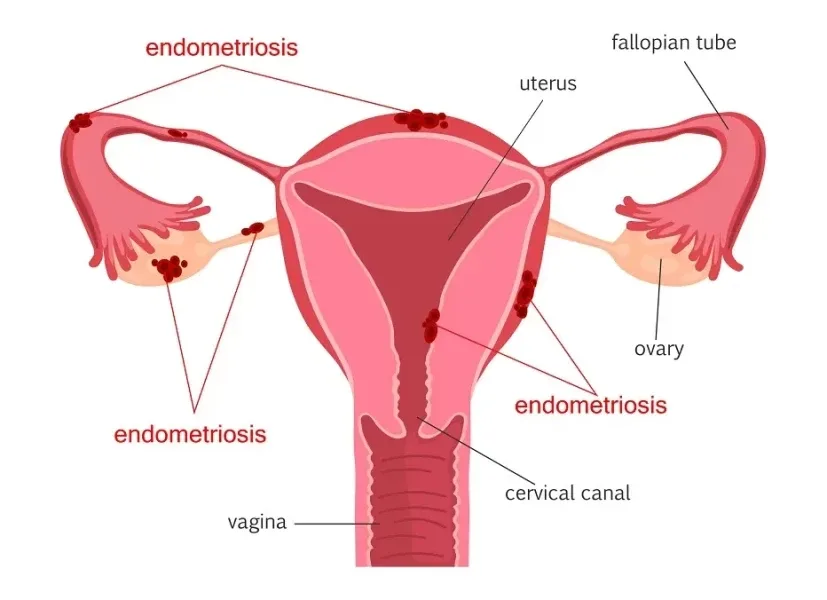
Laparoscopic surgery
Endometriosis surgery, laparoscopic treatment
When laparoscopic surgery is recommended for endometriosis, and what it aims to achieve.
Read more
Minimally invasive options
- Laparoscopic MyomectomyKeyhole removal of fibroids while preserving the uterus, and who may benefit.
- Ovarian CystectomyLaparoscopic removal of an ovarian cyst while preserving the ovary wherever possible.
- Endometriosis SurgeryWhen laparoscopic surgery is recommended for endometriosis, and what it aims to achieve.
Appointments
Take the first step toward better health.
Appointments are booked by phone or WhatsApp — SO Poly Clinic, Shaikpet, and Ankura Hospital, Gachibowli.
Dr. Vindhya Gemaraju · MBBS, DGO, DNB