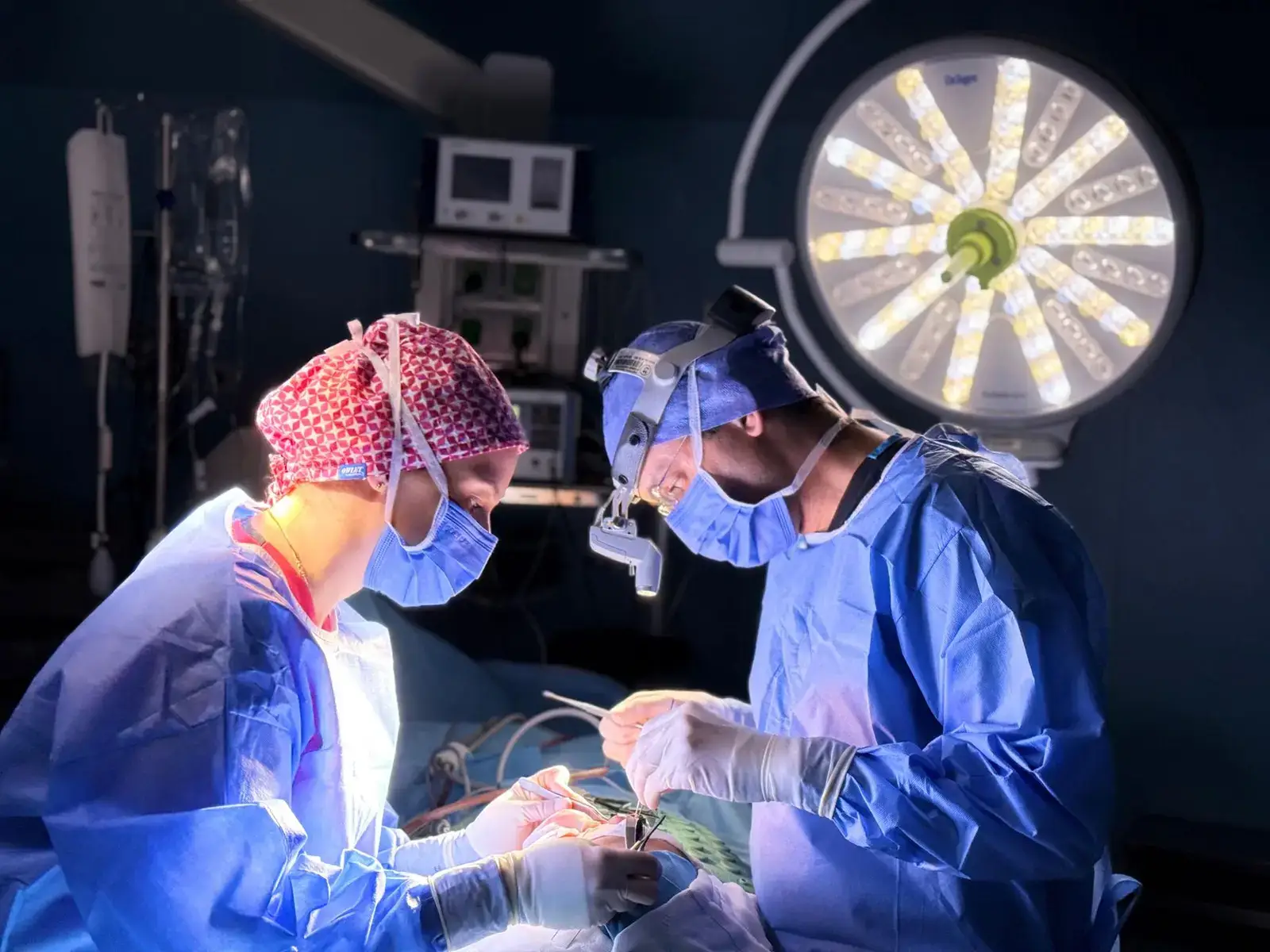
Endometriosis surgery, laparoscopic treatment.
When laparoscopic surgery is recommended for endometriosis, and what it aims to achieve.
- Qualifications
- MBBS, DGO, DNB
- Dr. Vindhya G @ SO Poly Clinic
- 8:00 – 11:00 am · 5:00 – 9:00 pm
- Dr. Vindhya G @ Ankura Hospital
- 11:30 am – 4:00 pm
- Appointments
- +91 81066 88026
Treatment options for endometriosis aim to alleviate pain and discomfort, manage symptoms, and, in some cases, improve fertility. The choice of treatment depends on the severity of the condition, the patient's age, and their desire for future fertility.
Here are common treatment options for endometriosis:
1. Pain Medications
Over-the-counter pain relievers like ibuprofen (Advil, Motrin) or naproxen (Aleve) can help manage mild to moderate pain.
2. Hormone Therapy
- Hormonal treatments aim to suppress the menstrual cycle and reduce the growth of endometrial tissue.
- Options include birth control pills, progestin-only therapy, and GnRH agonists (e.g., Lupron) that induce temporary menopause.
- Hormone therapy can help alleviate pain and slow the progression of endometriosis.
3. Laparoscopic Surgery
- Laparoscopic surgery is often used to diagnose and treat endometriosis.
- During surgery, endometrial growths (lesions) can be excised (cut out) or ablated (burned) to remove or reduce the tissue.
- Surgery can provide significant pain relief and may improve fertility in some cases.
4. Hysterectomy
- In severe cases or when other treatments fail, a hysterectomy (removal of the uterus) may be considered after completing the family.
- Hysterectomy is typically a last-resort option, and it may involve removing the ovaries (oophorectomy) if endometriosis is hormone-responsive.
- This option is usually reserved for patients who no longer wish to have children.
5. Conservative Surgery
Conservative surgery aims to preserve fertility by removing endometrial lesions while leaving the uterus and ovaries intact.
This option is suitable for women who want to maintain their reproductive capabilities.
6. Excision Surgery
- Excision surgery is often performed using laparoscopy, a minimally invasive technique. Small incisions (usually 0.5 to 1 cm) are made in the abdomen to insert a laparoscope (a thin, lighted tube with a camera) and specialized surgical instruments.
- The surgeon uses the laparoscope to visualize the pelvic area and identify endometrial lesions. These lesions may appear as dark or discolored tissue.
- The surgeon carefully excises (cuts out) the endometrial lesions, aiming to remove as much of the abnormal tissue as possible while preserving healthy tissue and organs.
- After excising each lesion, the surgeon takes steps to control bleeding, often using electrosurgical or laser techniques. (Hemostasis)
- In some cases, a tissue biopsy may be performed to confirm the presence of endometriosis and rule out other conditions.
7. Lifestyle and Dietary Changes
Some individuals find relief from endometriosis symptoms by making dietary changes, such as reducing caffeine and alcohol intake, and avoiding certain inflammatory foods.
Regular exercise and stress management techniques can also help manage pain.
8. Complementary and Alternative Therapies
Some patients explore complementary therapies like acupuncture, chiropractic care, and dietary supplements (e.g., omega-3 fatty acids) to manage symptoms.
These therapies should be used in conjunction with medical treatments and under the guidance of a healthcare provider.
9. Pelvic Physical Therapy
Pelvic floor physical therapy can help relieve pelvic pain and dysfunction associated with endometriosis.
10. Fertility Treatments
In cases where endometriosis has caused infertility, fertility treatments such as in vitro fertilization (IVF) or intrauterine insemination (IUI) may be considered.
11. Counseling and Support
Living with endometriosis can be emotionally challenging. Counseling and support groups can provide valuable emotional support and coping strategies.
It's essential for individuals with endometriosis to work closely Dr. Vindhya to develop a personalized treatment plan based on their specific symptoms, goals, and circumstances. Treatment options can be combined or adjusted over time to manage the condition effectively.
When it comes with Surgical options
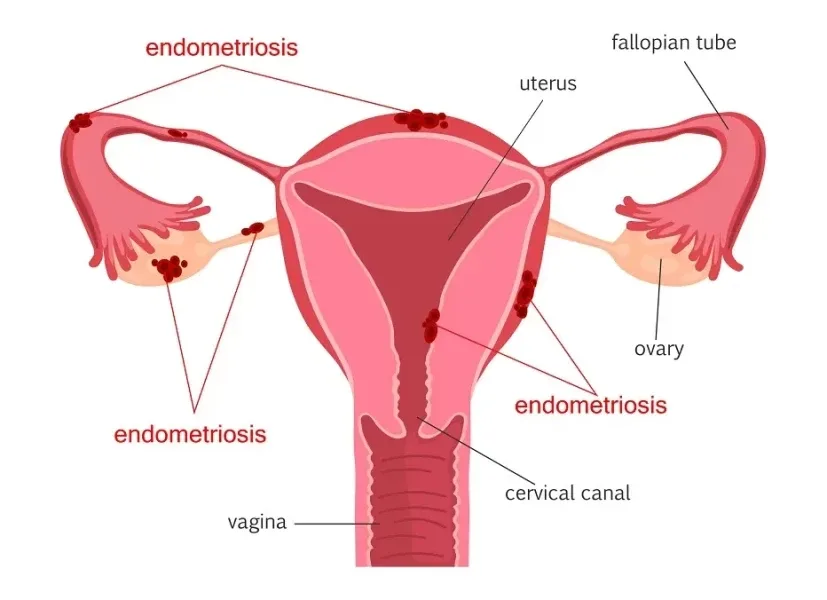
Endometriosis excision surgery refers to surgical procedures used to treat endometriosis, a condition where tissue similar to the lining of the uterus grows outside the uterus. Surgery is typically recommended when medication and other non-surgical treatments fail to provide adequate relief from symptoms and if any infertility.
Types: There are different types of endometriosis surgery, including:
1. Laparoscopic Surgery
The most common approach, involving small incisions and a laparoscope for visualization and excision of endometrial cyst.
2. Laparotomy
A larger abdominal incision is made for more extensive cases.
3. Hysterectomy
Removal of the uterus, often considered for severe cases or when fertility is not a concern.
Endometriosis surgery is performed when
- Symptoms are severe and significantly impact the patient's quality of life.
- Medications and conservative treatments are ineffective.
- There is a desire to improve fertility in some cases.
Purpose Of The Procedure
The primary purposes of endometriosis surgery are:
- Pain Relief: To alleviate pelvic pain, cramping, and discomfort caused by endometriosis.
- Fertility Enhancement: To improve fertility in cases where endometriosis is contributing to infertility.
- Tissue Removal: To excise or ablate (burn) endometrial tissue growths.
- Prevention Of Progression: To prevent the progression of endometriosis and reduce the risk of complications.
What is expected to be performed
The specifics of the procedure depend on the type of surgery:
- Laparoscopic Surgery: Small abdominal incisions are made, a laparoscope is inserted for visualization, and endometrial tissue is excised or ablated.
- Laparotomy: A larger abdominal incision is made, providing better access for extensive tissue removal or for cases where laparoscopy may not be sufficient.
- Hysterectomy: Involves removal of the uterus and possibly other reproductive organs if warranted.
- Anesthesia: General anesthesia is typically administered to ensure the patient is unconscious and pain-free during the surgery.
- Incisions: The size and location of incisions vary depending on the type of surgery, with laparoscopic procedures involving small incisions and laparotomy requiring a larger abdominal incision.
Surgical Instruments And Equipment
- Surgical instruments include laparoscopes, trocars, graspers, scissors, and electrosurgical devices for precise tissue removal.
- Duration Of Surgery: The length of surgery varies depending on factors such as the extent of endometrial tissue and the type of procedure. Laparoscopic surgery may take a few hours, while laparotomy or hysterectomy may take longer.
- Intraoperative Monitoring: Monitoring equipment, including ECG and blood pressure monitors, is used to ensure the patient's safety during the surgery.
Potential Complications
Potential complications of endometriosis surgery may include:
- Bleeding during or after surgery.
- Infection at incision sites.
- Injury to adjacent structures (rare).
- Recurrence of endometriosis.
Expected Outcomes
Expected outcomes of laparoscopic myomectomy include:
- Relief from fibroid-related symptoms.
- Preservation of the uterus for future pregnancies.
- Enhanced fertility for individuals experiencing fibroid-related infertility.
- Smaller, less noticeable scars compared to open surgery.
- Alternatives to Surgery
- Alternatives may include medication management, lifestyle changes, and non-surgical treatments. The choice depends on the patient's condition and goals.
- Scarring can occur, with the extent and visibility varying depending on the type and location of incisions.
Post-Operative Care
Post-operative care includes:
- Activity restrictions and limitations on heavy lifting and strenuous exercise.
- Follow-up appointments for monitoring and assessment.
- Instructions for incision care and any prescribed medications.
- The duration of hospital stay depends on the type and extent of surgery. Some procedures are done as outpatient surgeries, while others may require a hospital stay.
Recovery Time
Recovery time varies:
- Immediate recovery: Patients may experience discomfort and fatigue.
- Return to light activities: Usually within a few days to a week.
- Full recovery: Over several weeks to a few months, depending on the procedure and individual factors.
Post Surgery following the medication
Medical treatment is required to prevent recurrence and last for a longer period of time. If surgery is performed for infertility plan for fertility treatment options.
Approach
Conservative first
Medical management is considered first wherever appropriate.
Approach
Minimally invasive
When surgery is needed: laparoscopy, hysteroscopy or vNOTES.
Approach
Personalised plan
Every patient receives an individualised treatment plan.
Dr. Vindhya Gemaraju
MBBS, DGO, DNB · Reg. No. 53731
When to seek advice
If you have symptoms or questions about endometriosis surgery, a consultation is the right first step. Dr. Vindhya sees patients at Dr. Vindhya G @ SO Poly Clinic and Dr. Vindhya G @ Ankura Hospital, Hyderabad.
Medical disclaimer. This page is for general information and does not replace a consultation. Treatment decisions depend on an individual medical assessment — please speak with Dr. Vindhya or your own doctor about your situation.
Continue reading
Related conditions & treatments

Laparoscopic surgery
Laparoscopic myomectomy, removing fibroids
Keyhole removal of fibroids while preserving the uterus, and who may benefit.
Read more
Laparoscopic surgery
Laparoscopic hysterectomy, removal of the uterus
Why a hysterectomy may be advised, the laparoscopic approach, and recovery after surgery.
Read more
Laparoscopic surgery
Ovarian cystectomy, removing a cyst
Laparoscopic removal of an ovarian cyst while preserving the ovary wherever possible.
Read more
Minimally invasive options
- Laparoscopic MyomectomyKeyhole removal of fibroids while preserving the uterus, and who may benefit.
- Laparoscopic HysterectomyWhy a hysterectomy may be advised, the laparoscopic approach, and recovery after surgery.
- Ovarian CystectomyLaparoscopic removal of an ovarian cyst while preserving the ovary wherever possible.
Appointments
Take the first step toward better health.
Appointments are booked by phone or WhatsApp — SO Poly Clinic, Shaikpet, and Ankura Hospital, Gachibowli.
Dr. Vindhya Gemaraju · MBBS, DGO, DNB