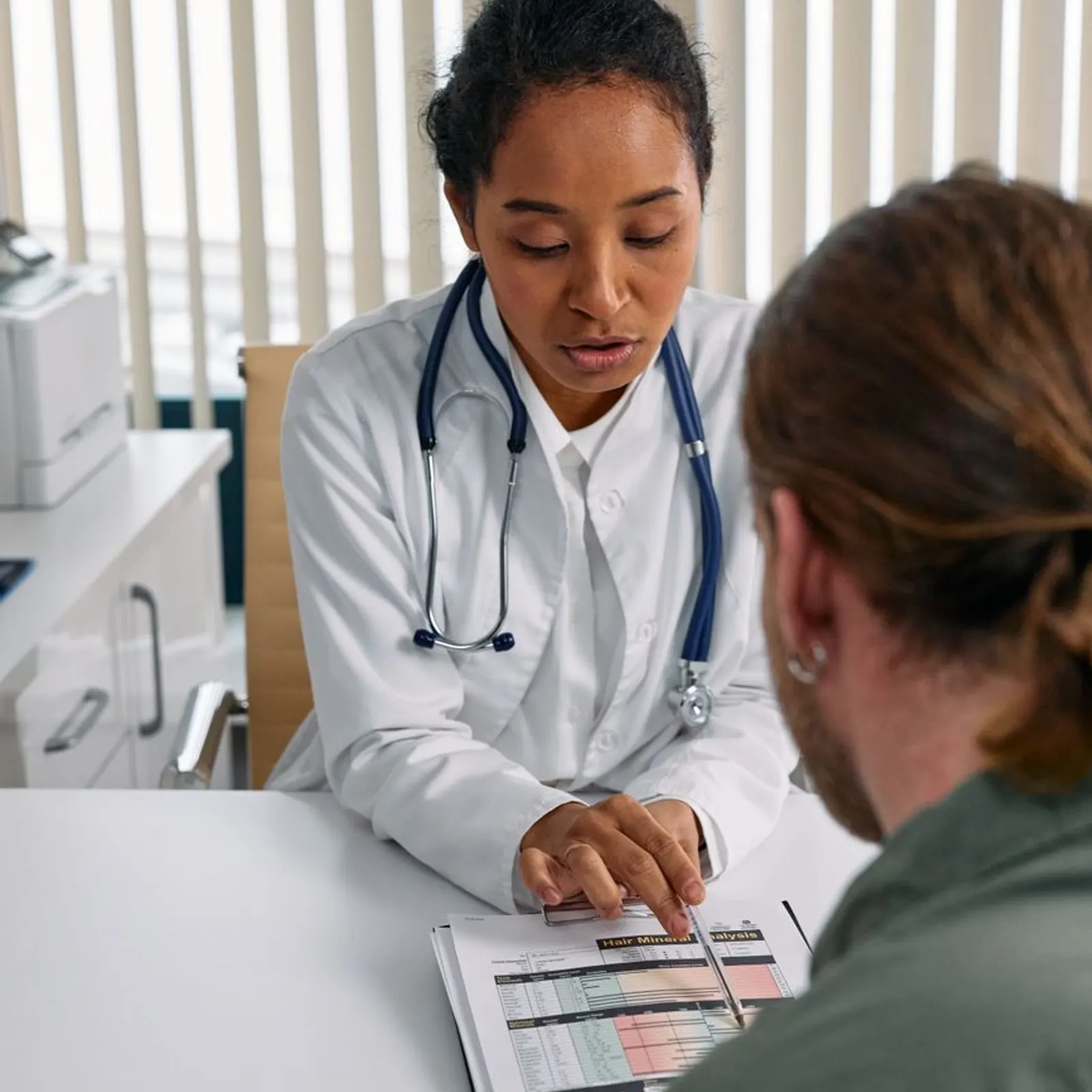
Endometriosis treatment, the options.
Pain relief, hormonal therapy and surgery for endometriosis compared.

- Qualifications
- MBBS, DGO, DNB
- Dr. Vindhya G @ SO Poly Clinic
- 8:00 – 11:00 am · 5:00 – 9:00 pm
- Dr. Vindhya G @ Ankura Hospital
- 11:30 am – 4:00 pm
- Appointments
- +91 81066 88026
Endometriosis is a chronic condition that occurs when tissue similar to the lining of the uterus (endometrium) grows outside the uterus. This tissue, called endometrial implants, can be found on various pelvic organs, such as the ovaries, fallopian tubes, bladder, and the lining of the pelvic cavity. Endometriosis can cause pain, inflammation, and in some cases, fertility problems.
Here is an overview of endometriosis, including its stages, cause, symptoms, prevalence, diagnosis, treatment, and prognosis:
Stages of Endometriosis: Endometriosis is typically classified into four stages, known as the American Society for Reproductive Medicine (ASRM) stages:
- Stage I (Minimal): In this stage, there are isolated instances of endometrial implants and minimal adhesions or scar tissue.
- Stage II (Mild): In stage II, there are more implants and adhesions, but they are still relatively few in number.
- Stage III (Moderate): Stage III involves multiple deep implants, adhesions, and possible ovarian involvement.
- Stage IV (Severe): In the most severe stage, there are extensive implants and adhesions throughout the pelvic region. Ovarian involvement is often present, and other organs outside the pelvis may be affected.
It is very common among gynecologists to miss the endometriosis symptoms, so Dr. Vindhya follow In addition to the ASRM (American Society for Reproductive Medicine) staging system for endometriosis, there are other classification systems and descriptions used to characterize the extent and severity of the condition. Here are some additional classifications and descriptions related to endometriosis:
Revised American Fertility Society (rAFS) Classification. This classification system was developed by the American Society for Reproductive Medicine (ASRM) and is similar to the ASRM staging system. It also categorizes endometriosis into four stages (I through IV) based on the location, extent, and severity of endometrial implants and adhesions within the pelvic cavity.
Endometrial implants are located on the surface of pelvic organs, such as the peritoneum, ovaries, or bladder. This is characterized by the invasion of endometrial tissue into deeper layers of pelvic organs or structures, such as the rectovaginal septum, uterosacral ligaments, or bowel.
Visual Analog Scale (VAS). Some healthcare providers use a visual analog scale to describe the severity of endometriosis based on the appearance of lesions during laparoscopy. Lesions can be categorized as minimal, mild, moderate, or severe based on their size, color, and extent.
When pain during menstruation (dysmenorrhea) is the predominant symptom (Triple Dysmenorrhea). When chronic pelvic pain is the main symptom, not necessarily associated with menstruation. When infertility is the primary concern, and the focus is on endometriosis-related fertility problems.
Modified ASRM Classification. Dr. Vindhya use a modified version of the ASRM staging system that takes into account not only the extent of lesions but also the impact of endometriosis on fertility and symptoms. This modified approach provides a more comprehensive assessment of the condition.
Biomarker-Based Classification. Ongoing research is exploring the use of biomarkers (biological molecules or substances) in the blood or other fluids to classify and diagnose endometriosis. While not yet widely used in clinical practice, this approach may offer a non-invasive way to diagnose and classify the condition.
It's important to note that the choice of classification or description may vary among Doctors, it is very important for you to choose the highly experience Deep Excision surgeon like Dr Vindhya Gemearaju with compassion with meticulous care (NOT PUSHING EVERY CASE TO SURGERY by scaring the suffering patients) without much propaganda. The classification of endometriosis can help guide treatment decisions and provide insights into the management of symptoms and fertility concerns for individuals with the condition.
Endometriosis is a common condition, affecting an estimated 10% of reproductive-age women. It can occur in individuals of all racial and ethnic backgrounds. It is a leading cause of chronic pelvic pain and infertility in women.
Cause
The exact cause of endometriosis is not fully understood, but several theories have been proposed:
- Retrograde Menstruation: This theory suggests that during menstruation, some menstrual blood flows backward through the fallopian tubes into the pelvic cavity, where it can implant and grow.
- Embryonic Tissue: It's possible that tissue from the embryonic stage that is meant to become endometrial tissue grows outside the uterus.
- Immune System Dysfunction: Some researchers believe that problems with the immune system may allow endometrial tissue to implant and grow in the wrong places.
- Hormonal Factors: Hormones, particularly estrogen, play a role in endometrial tissue growth and breakdown. Elevated levels of estrogen may contribute to the development of endometriosis.
Symptoms
The symptoms of endometriosis can vary in severity and may include:
- Pelvic Pain: The most common symptom is chronic pelvic pain, which can be severe and often worsens during menstruation.
- Painful Menstruation: Dysmenorrhea, or severe menstrual cramps, is a common symptom.
- Painful Intercourse: Pain during or after sexual intercourse (dyspareunia).
Painful Bowel Movements Or Urination
- Pain during bowel movements or urination, especially during menstruation.
- Excessive Bleeding: Heavy menstrual bleeding (menorrhagia) or irregular periods.
- Infertility: In some cases, endometriosis can lead to fertility problems.
- Gastrointestinal Symptoms: Some individuals may experience gastrointestinal symptoms like diarrhea, constipation, or bloating, particularly during menstruation.
Diagnosis
Diagnosing endometriosis may involve:
- Medical History: A healthcare provider will inquire about symptoms, medical history, and family history.
- Physical Examination: A pelvic examination may be performed to assess the pelvic area for any abnormalities.
- Imaging: Ultrasound or MRI may be used to visualize endometrial implants or cysts (endometriomas) on the ovaries.
- Laparoscopy: The most definitive way to diagnose endometriosis is through laparoscopy, a surgical procedure in which a thin, lighted tube is inserted through small incisions in the abdomen to view and remove endometrial tissue for biopsy.
Treatment
Treatment for endometriosis aims to manage symptoms, relieve pain, and improve quality of life. Treatment options may include:
- Pain Medications: Over-the-counter pain relievers or prescription medications may be used to manage pain.
- Hormone Therapy: Hormonal treatments such as birth control pills, hormonal IUDs, or GnRH agonists can help control the growth of endometrial tissue.
- Deep Excision Surgery: Laparoscopic/vNOTES surgery may be recommended to remove endometrial implants, scar tissue (adhesions), or cysts.
- Fertility Treatments: For individuals trying to conceive, fertility treatments such as in vitro fertilization (IVF) may be necessary.
The prognosis for endometriosis varies from person to person. Many individuals with endometriosis can manage their symptoms effectively with medical or surgical treatment. However, the condition is chronic and may recur after treatment. In some cases, endometriosis can lead to fertility problems, but fertility treatments are available for those who wish to conceive.
It's important for individuals with symptoms of endometriosis to seek medical evaluation and treatment. Early diagnosis and appropriate management can help alleviate pain, prevent complications, and improve overall quality of life.
Approach
Conservative first
Medical management is considered first wherever appropriate.
Approach
Minimally invasive
When surgery is needed: laparoscopy, hysteroscopy or vNOTES.
Approach
Personalised plan
Every patient receives an individualised treatment plan.
Dr. Vindhya Gemaraju
MBBS, DGO, DNB · Reg. No. 53731
When to seek advice
If you have symptoms or questions about endometriosis treatment, a consultation is the right first step. Dr. Vindhya sees patients at Dr. Vindhya G @ SO Poly Clinic and Dr. Vindhya G @ Ankura Hospital, Hyderabad.
Medical disclaimer. This page is for general information and does not replace a consultation. Treatment decisions depend on an individual medical assessment — please speak with Dr. Vindhya or your own doctor about your situation.
Continue reading
Related articles

Article · 2 min read
Fibroid treatment, the options
Medication, monitoring and surgical options for fibroids, and how each is chosen.
Read more
Article · 2 min read
Polyp treatment, the options
Monitoring and hysteroscopic removal of uterine polyps explained.
Read more
Article · 2 min read
Ovarian cyst treatment, the options
Watchful waiting, medication and surgery for ovarian cysts, and how the choice is made.
Read more
Appointments
Take the first step toward better health.
Appointments are booked by phone or WhatsApp — SO Poly Clinic, Shaikpet, and Ankura Hospital, Gachibowli.
Dr. Vindhya Gemaraju · MBBS, DGO, DNB