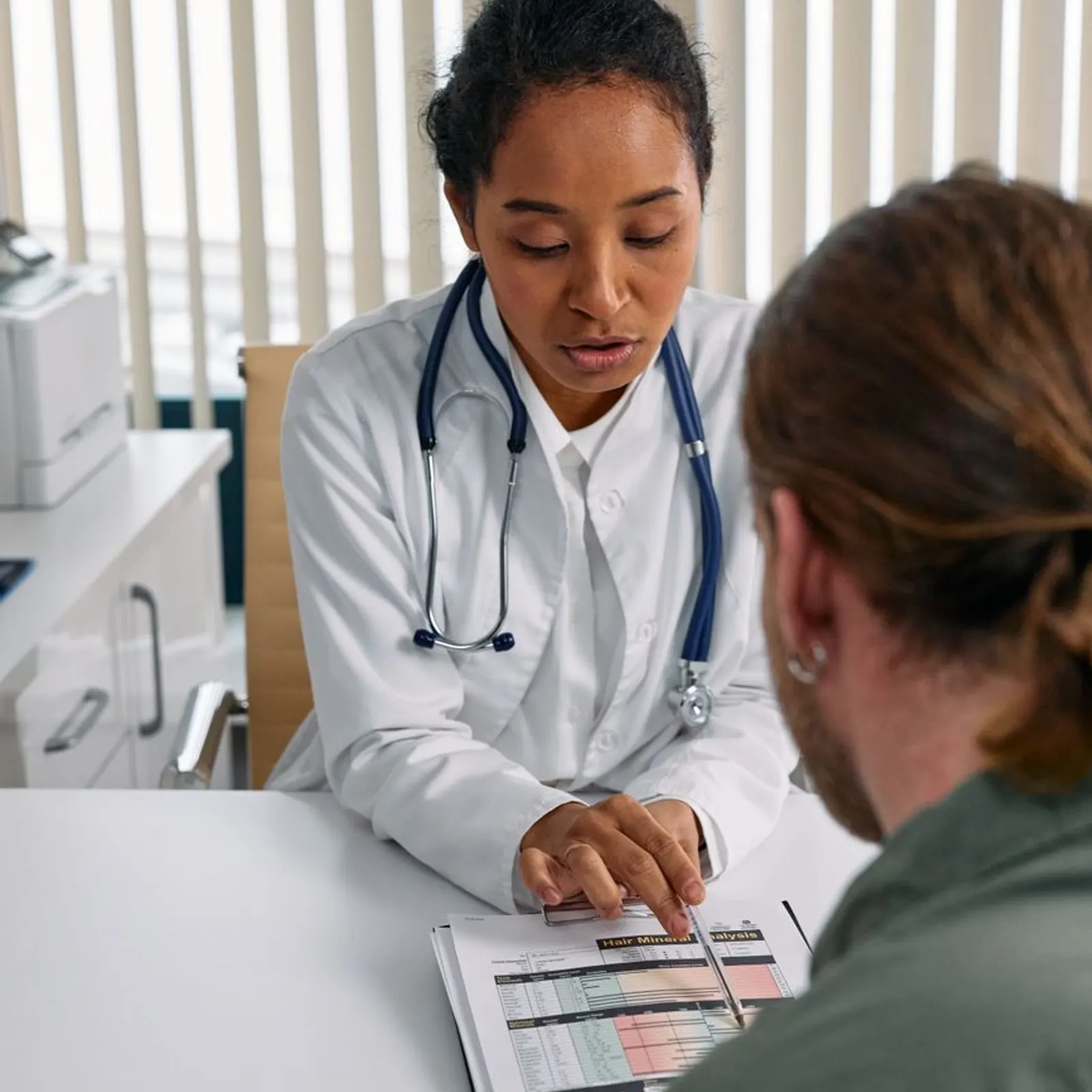
Adenomyosis treatment, the options.
Medical, hormonal and surgical treatments for adenomyosis compared.

- Qualifications
- MBBS, DGO, DNB
- Dr. Vindhya G @ SO Poly Clinic
- 8:00 – 11:00 am · 5:00 – 9:00 pm
- Dr. Vindhya G @ Ankura Hospital
- 11:30 am – 4:00 pm
- Appointments
- +91 81066 88026
Adenomyosis is a medical condition that occurs when tissue from the lining of the uterus (endometrium) grows into the muscular wall of the uterus ( myometrium ). This can lead to an enlarged and tender uterus, along with various symptoms.
Here's an overview of adenomyosis, including its cause, symptoms, prevalence, diagnosis, treatment, and prognosis:
Adenomyosis is a common condition, particularly in women in their 30s and 40s who have had children. The prevalence of adenomyosis varies, but it may affect up to 20-35% of women.
Cause
The exact cause of adenomyosis is not fully understood, but several theories have been proposed:
- Genetic Predisposition: Gene alterations in some individuals will predispose for development of adenomyosis
- Invasive Growth: It is believed that endometrial tissue may invade the myometrium during menstruation, childbirth or uterine surgery.
- Estrogen: High levels of estrogen, which can stimulate the growth of endometrial tissue, may play a role in the development of adenomyosis.
- Hormonal Changes: Changes in hormonal balance, particularly between estrogen and progesterone, may contribute to the condition.
- Uterine Inflammation: Chronic inflammation in the uterine lining or muscle layer may be associated with adenomyosis.
Symptoms
Adenomyosis can cause a range of symptoms, which may include:
- Menstrual Pain: Painful menstruation (dysmenorrhea) is a common symptom. The pain is often described as a deep, aching, or heavy sensation in the lower abdomen or pelvis.
- Heavy Menstrual Bleeding: Menstrual bleeding may be abnormally heavy (menorrhagia) and may be accompanied by clots.
- Pelvic Pain: Chronic pelvic pain, not limited to menstruation, can be a persistent symptom.
- Enlarged Uterus: The uterus may become enlarged, leading to a feeling of fullness or pressure in the lower abdomen.
- Painful Intercourse: Pain or discomfort during sexual intercourse (dyspareunia) may occur.
Diagnosis
Diagnosing adenomyosis may involve:
- Medical History: A healthcare provider will inquire about symptoms, medical history, and risk factors.
- Physical Examination: A pelvic examination may be performed to assess the size, shape, and tenderness of the uterus.
- Imaging: Transvaginal ultrasound is often used to visualize the uterus and assess for signs of adenomyosis. Magnetic resonance imaging (MRI) can provide more detailed images and may be used in some cases.
Treatment
Treatment for adenomyosis aims to manage symptoms and improve quality of life. Treatment options may include:
- Pain Medications: Over-the-counter pain relievers or prescription medications may be used to manage pain and discomfort.
- Minimally Invasive Procedures: Procedures such as uterine artery embolization (UAE) or laparoscopic excision of adenomyosis can be considered for symptom relief.
- Hormonal Therapy: Hormonal treatments, such as hormonal birth control methods (e.g., birth control pills, hormonal IUDs), may help control symptoms by regulating menstrual cycles and reducing the growth of endometrial tissue.
- Hysterectomy: In severe cases or when other treatments are ineffective, a hysterectomy (removal of the uterus) may be recommended. This is a definitive treatment that eliminates adenomyosis but also results in loss of fertility.
The prognosis for adenomyosis varies depending on the severity of symptoms and the chosen treatment approach. Many individuals can manage their symptoms effectively with medical treatment, avoiding the need for more invasive interventions like surgery. In cases where a hysterectomy is performed, the prognosis is typically excellent because adenomyosis does not recur after the uterus is removed.
It's important for individuals experiencing symptoms of adenomyosis, such as pelvic pain or heavy menstrual bleeding, to seek medical evaluation and discuss treatment options with a healthcare provider. Treatment can greatly improve quality of life for those affected by this condition.
Approach
Conservative first
Medical management is considered first wherever appropriate.
Approach
Minimally invasive
When surgery is needed: laparoscopy, hysteroscopy or vNOTES.
Approach
Personalised plan
Every patient receives an individualised treatment plan.
Dr. Vindhya Gemaraju
MBBS, DGO, DNB · Reg. No. 53731
When to seek advice
If you have symptoms or questions about adenomyosis treatment, a consultation is the right first step. Dr. Vindhya sees patients at Dr. Vindhya G @ SO Poly Clinic and Dr. Vindhya G @ Ankura Hospital, Hyderabad.
Medical disclaimer. This page is for general information and does not replace a consultation. Treatment decisions depend on an individual medical assessment — please speak with Dr. Vindhya or your own doctor about your situation.
Continue reading
Related articles

Article · 2 min read
Fibroid treatment, the options
Medication, monitoring and surgical options for fibroids, and how each is chosen.
Read more
Article · 2 min read
Polyp treatment, the options
Monitoring and hysteroscopic removal of uterine polyps explained.
Read more
Article · 5 min read
Endometriosis treatment, the options
Pain relief, hormonal therapy and surgery for endometriosis compared.
Read more
Appointments
Take the first step toward better health.
Appointments are booked by phone or WhatsApp — SO Poly Clinic, Shaikpet, and Ankura Hospital, Gachibowli.
Dr. Vindhya Gemaraju · MBBS, DGO, DNB