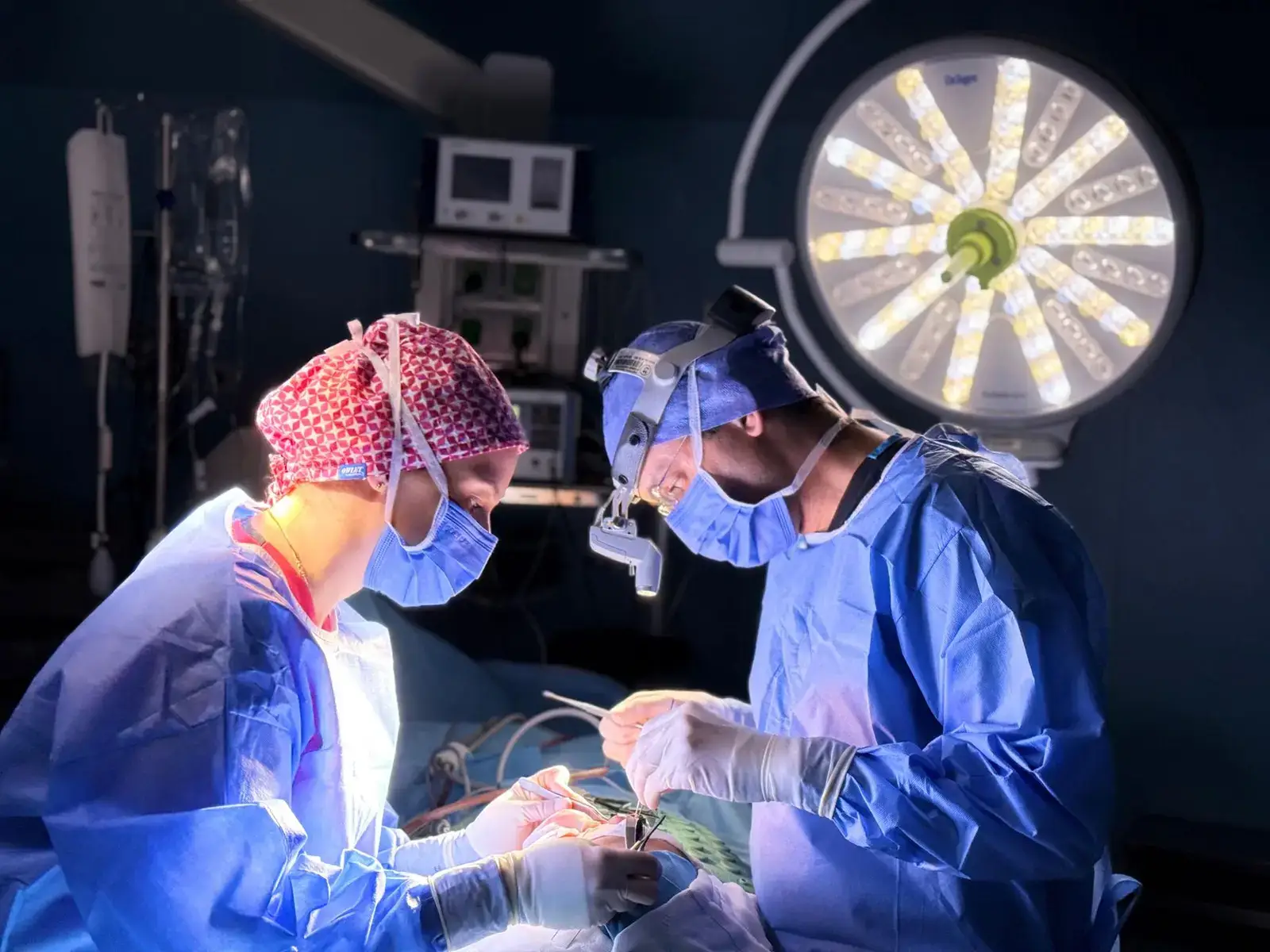
Incontinence surgery, when it is considered.
Surgical options for stress urinary incontinence when conservative treatment has not been enough.

- Qualifications
- MBBS, DGO, DNB
- Dr. Vindhya G @ SO Poly Clinic
- 8:00 – 11:00 am · 5:00 – 9:00 pm
- Dr. Vindhya G @ Ankura Hospital
- 11:30 am – 4:00 pm
- Appointments
- +91 81066 88026
Incontinence surgery, also known as urinary incontinence surgery, refers to a group of surgical procedures designed to treat urinary incontinence—a condition characterized by the involuntary loss of urine. These surgeries aim to improve or restore bladder control.
When it is Performed
Incontinence surgery is typically performed when conservative treatments, such as lifestyle modifications, pelvic floor exercises, and medications, have proven ineffective in managing urinary incontinence. The exact timing of the surgery depends on the type and severity of incontinence and the patient's preferences.
Purpose Of The Procedure
The primary purposes of incontinence surgery are:
Improved Bladder Control. To alleviate or eliminate urinary incontinence and regain control over bladder function.
Enhanced Quality Of Life
To improve the patient's overall quality of life by addressing the physical and emotional impact of incontinence.
What is expected to be performed
There are various surgical procedures to treat urinary incontinence, and the choice of procedure depends on the type and cause of incontinence. Common procedures include:
- Sling Procedures: The placement of a supportive "sling" under the urethra or bladder neck to provide support and improve closure during moments of stress (e.g., coughing or sneezing).
- Bladder Neck Suspension: The suspension of the bladder neck and urethra to reposition and stabilize them.
Artificial Urinary Sphincter (AUS)
- Implantation of a device that mimics the function of the urinary sphincter, allowing the patient to control urine flow.
- Bulking Agent Injections: The injection of a substance around the urethra to increase resistance and prevent urine leakage.
- Neuromodulation (InterStim): Implantation of a device that sends electrical impulses to the nerves controlling bladder function to improve control.
- Anesthesia: The choice of anesthesia (general or regional) depends on the specific procedure and patient factors.
- Incisions: Incisions vary depending on the surgical approach. Some procedures are minimally invasive, requiring small incisions, while others may involve larger incisions and some procedures are done through vagina.
Surgical Instruments And Equipment
- Surgical instruments may include scopes, sutures, sling materials, or specialized devices for implantation (e.g., AUS).
- Duration Of Surgery: The length of incontinence surgery varies based on the chosen procedure but often ranges from 30 minutes to a few hours.
- Intraoperative Monitoring: Monitoring equipment, including ECG and blood pressure monitors, is used to ensure the patient's safety during surgery.
Potential Complications
Potential complications of incontinence surgery may include:
- Infection at incision sites.
- Urinary retention or difficulty voiding.
- Device-related issues (e.g., AUS malfunction).
- Changes in urinary function.
Expected Outcomes
- Expected outcomes depend on the type of incontinence and the success of the surgical procedure. Most patients experience significant improvement in bladder control following surgery.
- Alternatives to Surgery
- Before considering surgery, conservative treatments such as pelvic floor exercises, lifestyle modifications, and medications should be explored. These may be effective for some individuals with incontinence.
- The extent and visibility of scarring depend on the type of surgery. Minimally invasive procedures often result in smaller, less noticeable scars.
Post-Operative Care
Post-operative care includes:
- Recovery instructions, including activity restrictions.
- Follow-up appointments for monitoring and assessment.
- Rehabilitation or physical therapy in some cases.
- The length of hospital stay varies but is often short for minimally invasive procedures. Some procedures may be performed as outpatient surgeries.
Recovery Time
Recovery time depends on the type of surgery and individual factors but generally follows this pattern:
- Immediate recovery: Patients may experience discomfort or pain.
- Return to light activities: Within a few days to a few weeks.
- Full recovery: Over several weeks to a few months, during which patients should follow post-operative instructions for optimal healing and bladder control.
Approach
Conservative first
Medical management is considered first wherever appropriate.
Approach
Minimally invasive
When surgery is needed: laparoscopy, hysteroscopy or vNOTES.
Approach
Personalised plan
Every patient receives an individualised treatment plan.
Dr. Vindhya Gemaraju
MBBS, DGO, DNB · Reg. No. 53731
When to seek advice
If you have symptoms or questions about urinary incontinence surgery, a consultation is the right first step. Dr. Vindhya sees patients at Dr. Vindhya G @ SO Poly Clinic and Dr. Vindhya G @ Ankura Hospital, Hyderabad.
Medical disclaimer. This page is for general information and does not replace a consultation. Treatment decisions depend on an individual medical assessment — please speak with Dr. Vindhya or your own doctor about your situation.
Continue reading
Related conditions & treatments

Laparoscopic surgery
Laparoscopic myomectomy, removing fibroids
Keyhole removal of fibroids while preserving the uterus, and who may benefit.
Read more
Laparoscopic surgery
Laparoscopic hysterectomy, removal of the uterus
Why a hysterectomy may be advised, the laparoscopic approach, and recovery after surgery.
Read more
Laparoscopic surgery
Ovarian cystectomy, removing a cyst
Laparoscopic removal of an ovarian cyst while preserving the ovary wherever possible.
Read more
Minimally invasive options
- Laparoscopic MyomectomyKeyhole removal of fibroids while preserving the uterus, and who may benefit.
- Laparoscopic HysterectomyWhy a hysterectomy may be advised, the laparoscopic approach, and recovery after surgery.
- Ovarian CystectomyLaparoscopic removal of an ovarian cyst while preserving the ovary wherever possible.
Appointments
Take the first step toward better health.
Appointments are booked by phone or WhatsApp — SO Poly Clinic, Shaikpet, and Ankura Hospital, Gachibowli.
Dr. Vindhya Gemaraju · MBBS, DGO, DNB